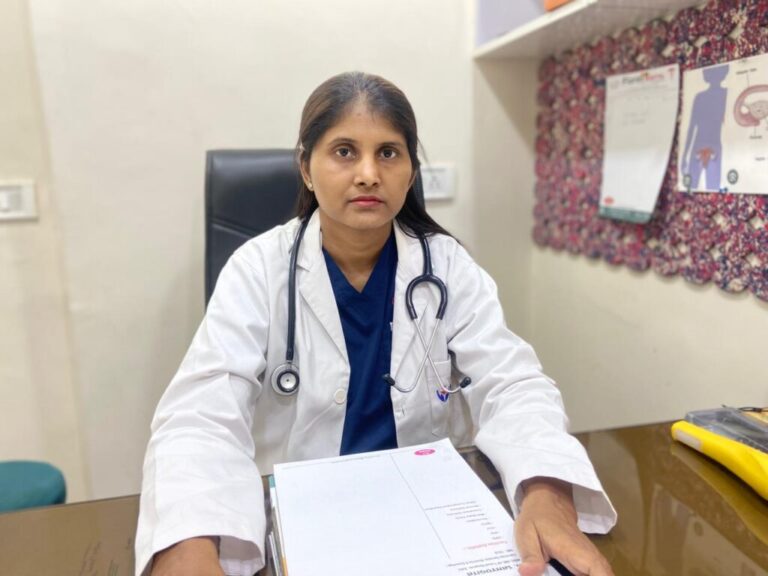

Infertility Treatment in Paschim Vihar: A Guide for Couples Trying to Conceive
Introduction
Trying to have a baby can sometimes be devastating for couples. When pregnancy does not occur as expected, understanding the possible causes and available medical options is an important first step. Infertility Treatment in Paschim Vihar helps couples seek professional guidance, identify factors affecting fertility, and explore suitable treatment options.
At Floret Hospital, couples can discuss their fertility concerns with a qualified medical professional. Early assessment plays a critical role in determining what causes infertility and helps develop a suitable treatment plan that addresses each partner’s unique condition.
What Is Infertility and When Should You Seek Help?
Infertility means that a couple is unable to conceive even after frequent sexual intercourse without contraception. It can be either male factor infertility, female factor infertility, or both.
Couples should generally consider a fertility assessment if pregnancy has not occurred after 12 months of trying. Women aged 35 or older should consult a doctor after six months. Women over the age of 40 or with existing reproductive problems have a greater chance of difficulty conceiving and should seek medical advice.
Seeking Infertility Treatment in Paschim Vihar can help couples understand their reproductive health and determine the next steps with appropriate medical guidance.
Common Causes of Infertility in Couples
Infertility can develop due to several medical or reproductive factors. Identifying the underlying cause helps doctors recommend suitable treatment.
Common causes include:
- Ovulation disorders: Conditions such as polycystic ovary syndrome (PCOS) can affect regular egg release.
- Fallopian tube problems: Blocked or damaged tubes may prevent sperm and egg from meeting.
- Endometriosis: This condition can affect reproductive organs and make conception difficult.
- Male fertility issues: Low sperm count, poor sperm mobility, or other sperm abnormalities in men can cause infertility.
- Age-related changes: Fertility can decrease as a woman ages. A woman’s fertility depends on her egg supply, which decreases as she ages.
- Unexplained infertility: Sometimes, standard investigations do not reveal a clear cause.
A fertility specialist can assess these factors and explain which investigations or treatments may be appropriate.
How Is Infertility Diagnosed?
Before recommending Infertility Treatment in Paschim Vihar, a doctor may review the couple’s medical history, menstrual cycle patterns, lifestyle, and previous pregnancy history.
Depending on individual needs, investigations may include:
- Blood tests to assess reproductive hormones.
- Ultrasound scans to examine the uterus and ovaries.
- Tests to evaluate whether the fallopian tubes are open.
- Semen analysis to assess sperm count, movement, and shape.
Not every couple needs every test. The doctor selects investigations according to age, symptoms, and medical history. Accurate diagnosis helps avoid unnecessary procedures and supports informed treatment decisions.
Treatment Options for Infertility
The right treatment depends on the underlying cause, the duration of infertility, and the health of both partners. Infertility Treatment in Paschim Vihar may involve medication, assisted reproductive techniques, or selected surgical procedures.
1. Ovulation Induction
Ovulation induction is a process that involves the use of medication to induce ovulation in women who do not ovulate normally. Doctors may monitor the response and adjust the treatment according to individual needs.
2. Intrauterine Insemination (IUI)
The procedure of intrauterine insemination involves the placement of processed sperm directly into the uterus during ovulation. It may be suitable for selected couples, depending on fertility test results and other medical factors.
3. In Vitro Fertilisation (IVF)
IVF involves fertilising an egg with sperm in a laboratory and transferring an embryo into the uterus. It may be recommended for certain conditions, including some cases of blocked fallopian tubes or when other treatments have not been successful.
4. Treatment for Male Infertility
The management of infertility in men depends on what is causing the condition. It may involve the treatment of certain underlying medical or hormonal problems. In addition, the procedure may also include assisted reproductive technologies.
A fertility specialist can explain the benefits, limitations, costs, and potential risks of each option before treatment begins.
Why Consider Floret Hospital for Fertility Guidance?
Choosing a healthcare provider is an important step when planning a family. Couples should look for clear communication, appropriate diagnostic support, and treatment recommendations based on their individual medical needs.
Floret Hospital offers fertility-related services and guidance for couples experiencing difficulty conceiving. A consultation can help you discuss your concerns, explore possible causes, and treatment options.
For couples looking for Infertility Treatment in Paschim Vihar, professional guidance can make it easier to understand the options available. Ask your doctor about the available services, recommended investigations, and follow-up care before deciding on a treatment plan.
Conclusion
Infertility can be distressing for couples who are eager to have a child. Understanding the underlying causes and receiving professional medical advice is essential in order to determine the most suitable and effective treatment. It must be determined based on a couple’s unique situation, the results of various tests, and each partner’s reproductive potential.
If you are considering Infertility Treatment in Paschim Vihar, consult a qualified medical professional to discuss your concerns and available options. Floret Hospital can help couples explore fertility-related care and understand the next steps in their journey towards parenthood.
Frequently Asked Questions (FAQs)
1. When should couples seek infertility treatment?
Couples should generally seek an evaluation after 12 months of trying to conceive, or after six months if the woman is aged 35 or older. Earlier assessment may be appropriate in certain circumstances.
2. What treatments are available for infertility?
Depending on the diagnosis, options may include ovulation induction, IUI, IVF, selected fertility surgeries and treatment for male reproductive concerns.
3. Can both partners require fertility testing?
Yes. Infertility can involve male factors, female factors, or a combination of both. Evaluating both partners can help identify potential causes and guide treatment.
4. Does every couple need IVF?
No. IVF is only one of several fertility treatment options. A doctor recommends treatment based on the underlying cause, age, test results, and individual circumstances.
5. Can lifestyle changes improve fertility?
Maintaining a balanced diet, avoiding smoking, limiting alcohol, getting regular physical activity, and managing existing health conditions can support general reproductive health. However, lifestyle changes alone may not resolve every cause of infertility.